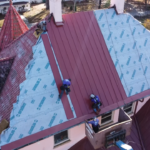
Roofing and gutter services help protect your home from rain, wind, and other outdoor elements. However, your roof is only one part of your home’s exterior. Gutters and siding also play an important role in keeping water away from your property. When one part starts to fail, other areas may soon show signs of damage.
For example, a leaking roof can affect your attic and walls. Clogged gutters can cause water to collect near your home’s foundation. Damaged siding can also let moisture enter the walls. These problems may seem separate, but they often share the same cause.
So, when should you consider more than one exterior service? The answer depends on the age of your home, the type of damage, and how well each part works with the others.
This guide explains how your roof, gutters, and siding work together. It also covers common warning signs, repair options, and ways to protect your home.
Why Your Roof, Gutters, and Siding Work Together
Your home’s exterior works as one system. Each part has a clear job, but all three help keep water outside.
The roof is the first line of defense against rain and snow. It covers your home and directs water toward the edges. Gutters then collect that water and carry it away from the building. Siding protects the walls from rain, wind, and daily wear.
When all three parts work well, they help keep your home dry and sound.
However, trouble can start when one part fails. A damaged roof may allow water to reach the attic. Poor gutter drainage may send water down the walls. Loose or cracked siding may let that water enter the wall space.
As a result, fixing only one area may not solve the full problem. A full exterior check can help you find the cause before you pay for more repairs.
When Do You Need Roofing and Gutter Services at the Same Time?
Roof and gutter problems often appear together. This is because both systems handle rainwater and help move it away from your home.
You may need both services if you notice any of these signs.
Water Runs Over the Gutter Edges
Water should flow into your gutters and move toward the downspouts. If it spills over the sides during rain, something may be wrong.
The cause could be leaves, dirt, or other debris. A gutter may also sag or pull away from the roof edge. In some cases, the gutter may be too small for the amount of water it receives.
However, water spilling over the edge can also point to a roof drainage issue. A roofing and gutter check can help find the cause.
Your Gutters Pull Away From the Roof
Gutters should stay firmly attached to the home. If they start to sag, bend, or pull away, their support may be weak.
Heavy debris and standing water can place extra weight on the system. Loose fasteners can also cause the gutters to shift.
This problem matters because water may fall behind the gutter. It can then reach the roof edge, fascia, or siding.
A gutter repair may solve the issue. Still, a professional should check the nearby roof edge for signs of water damage.
You Notice Water Stains Near the Roofline
Brown marks near the ceiling or upper walls can point to a leak. You may also see peeling paint, damp spots, or dark marks near the roof edge.
A damaged shingle or flashing may let water enter the roof. At the same time, a faulty gutter may allow water to reach areas that should stay dry.
Do not assume that every ceiling stain comes from the roof. A trained professional can inspect the area and find the source.
Your Roof Has Missing or Damaged Shingles
Missing, cracked, or curled shingles can leave parts of your roof open to rain. Strong winds, age, and poor upkeep can all cause this damage.
Gutters may also collect shingle pieces and loose roof debris. This can block water flow and lead to overflow.
If you see roof damage and gutter trouble at the same time, it makes sense to check both systems.
Signs You May Need Roofing Repair in Winston Salem
Roof damage does not always cause an indoor leak right away. In many cases, the first signs appear outside.
Look for these common warning signs:
- Missing, cracked, or loose shingles.
- Dark marks or worn areas on the roof.
- Damaged flashing near chimneys or vents.
- Shingle pieces collecting in the gutters.
- Water stains on ceilings or walls.
- Damp or musty smells in the attic.
- Light coming through the roof boards.
If you notice one or more of these signs, arrange an inspection. Early action may help limit the damage.
Homeowners looking for roofing repair Winston Salem should also ask whether nearby gutters and siding need attention. This is especially useful when a leak has affected more than one area.
A repair expert can explain which parts need work and which parts remain in good shape.
When Should You Include Siding Repair or Replacement?
Siding protects the outside walls of your home. It also helps direct rain away from the wall structure.
Over time, siding can crack, loosen, fade, or warp. Storms and regular exposure to sunlight can speed up wear. Poor drainage can also affect siding over time.
Here are signs that your siding may need attention.
Cracks, Holes, or Loose Panels
Small cracks may seem harmless at first. However, they can allow rain and moisture to reach the layers behind the siding.
Loose panels can also let wind push rain into the wall area. If you see gaps around the panels, have them checked.
Peeling Paint or Soft Wall Areas
Peeling paint near the outside walls may point to trapped moisture. Soft areas can be more serious because they may suggest damage beneath the surface.
Do not cover these signs with new paint or panels before finding the cause. Otherwise, moisture may remain hidden.
Mold or Dark Marks
Dark marks on siding may come from dirt, shade, or mold. They may also point to areas that stay wet for too long.
Check whether nearby gutters leak or overflow. Water from a faulty gutter can keep siding wet after rain.
In this case, fixing the gutter may be just as important as repairing the siding.
How Roofing and Gutter Services Help Prevent Water Damage
Water can cause serious problems when it enters parts of your home that should stay dry. It may damage wood, insulation, drywall, and other building materials.
Good roof and gutter care helps reduce this risk.
A roof inspection can reveal loose shingles, damaged flashing, and weak roof areas. A gutter check can find blockages, leaks, and poor water flow.
Together, these services help move rainwater away from the home.
For example, a roof may look fine from the ground, but its gutters may be full of debris. In another case, clean gutters may still fail to drain water because the roof edge has damage.
That is why it helps to look at the full drainage path. Water should move from the roof into the gutter, through the downspout, and away from the home.
If water stops moving at any point, it may reach areas that are not built to handle constant moisture.
Do You Need Roof Leak Repair or a Full Roof Replacement?
Not every roof leak means you need a new roof. The right solution depends on the size, cause, and location of the damage.
A small leak caused by a loose shingle may need a simple repair. A damaged flashing area may also be fixed without replacing the full roof.
However, a roof with widespread wear may need more work. If several areas leak or many shingles have failed, a full replacement may offer better long-term value.
Here are a few points a roofing professional may review:
- The age and condition of the roof.
- The number of damaged areas.
- The type of roofing material.
- Signs of moisture in the attic.
- The condition of flashing and roof edges.
- Any past repairs and recurring leaks.
A proper inspection can help you compare your options. It can also help you avoid paying for work that your roof does not need.
If you spot a leak, arrange roof leak repair as soon as possible. Even a small leak can spread when rain continues.
What About Commercial Roof Repair?
Business owners also need to watch for roof and drainage problems. A commercial roof often covers a large area, so even a small defect can affect a wide section of the building.
Water may enter through damaged seams, flashing, drains, or roof openings. Poor drainage can also cause water to collect on flat or low-slope roofs.
Signs of trouble may include:
- Water stains on ceilings.
- Drips near lights or vents.
- Standing water on the roof.
- Damaged roof seams.
- Loose flashing around roof openings.
- Wet insulation or musty indoor smells.
Timely commercial roof repair can help reduce damage to the building and its contents.
Business owners should also check roof drains and gutters as part of regular care. A blocked drain can cause water to build up. This added weight may place stress on the roof.
If you manage a business property, look for a qualified commercial roofing contractor near me who can assess the roof and explain the next steps.
Choosing the Right Roofing Professional
Finding the right contractor is an important part of any exterior project. You want a team that can explain the problem and help you choose the right service.
Start by checking the contractor’s experience with your type of roof. Ask whether they handle the repair or installation work you need.
You should also ask for a clear written estimate. It should explain the work, materials, and expected costs.
Before you agree to a project, consider these points:
- Experience: Ask about similar roofing, gutter, or siding projects.
- Inspection: Make sure the contractor checks the affected areas.
- Written estimate: Review the work and costs before signing.
- Materials: Ask which materials suit your home and local weather.
- Communication: Choose a team that answers questions clearly.
Homeowners searching for roofers Winston Salem NC should compare more than price alone. Good communication and a clear work plan matter too.
If you are searching for residential roofing near me, check that the contractor understands the needs of your home and roofing material.
How to Know Which Exterior Services Your Home Needs
You do not always need to replace your roof, gutters, and siding at the same time. In fact, many homes only need one repair.
The key is to find out whether the damage is limited to one area or affects several parts of the exterior.
For example, a small gutter leak may only need a repair. But if water has damaged the fascia and siding, those areas may need work too.
Use these questions as a starting point:
- Does the roof have missing or damaged shingles?
- Do the gutters drain water without spilling?
- Are the downspouts directing water away from the home?
- Is the siding cracked, loose, or soft?
- Do you see water stains inside the home?
- Have the same problems returned after past repairs?
Your answers can help guide the inspection. Still, a professional should check hidden areas before you decide on major work.
A full exterior review can also help you plan repairs in the right order. For instance, it may make sense to fix a roof leak before replacing damaged siding below it.
Simple Ways to Care for Your Roof, Gutters, and Siding
Regular care can help you spot small problems before they grow. You do not need to inspect every part of your home each week. A few simple checks can make a difference.
Check Your Roof From the Ground
Look for missing shingles, loose roof parts, and signs of storm damage. Use binoculars if needed.
Do not climb onto the roof unless you have the right training and safety gear. A professional inspection is the safer choice for a closer check.
Keep Gutters Clear
Leaves, twigs, and dirt can block water flow. Clear gutters when needed, especially after heavy leaf fall or storms.
Also, check whether water flows through the downspouts. If water backs up, there may be a blockage or drainage issue.
Look Over Your Siding
Walk around your home and look for cracks, loose panels, and dark marks. Pay close attention to areas near windows, doors, and gutters.
If you see signs of moisture, arrange a closer check.
Check After Strong Storms
High winds and heavy rain can damage more than one part of your exterior. After a storm, look for fallen shingles, loose gutters, and broken siding.
Take photos of visible damage from a safe place. These can help when you speak with a contractor.
Protect Your Home With the Right Exterior Services
Your roof, gutters, and siding all help protect your home from water and weather. When one part fails, other areas may also be at risk.
That does not mean you need to replace everything at once. Instead, look for the signs, find the source of the problem, and choose the repairs your home needs.
Roofing and gutter services can work together to improve drainage and help protect your home. When siding also shows signs of damage, a wider exterior check may be the best next step.
If you notice leaks, loose gutters, or damaged siding, do not wait for the problem to spread. Contact Big Anchor Roofing today to discuss your exterior concerns and find out which services may be right for your home.
Frequently Asked Questions
1. Should I repair my roof or gutters first?
The right order depends on the problem. If the roof is leaking, address the leak first. If a gutter is sending water behind the fascia, fix the drainage issue as soon as possible. A full inspection can help set the right order.
2. Can bad gutters cause roof damage?
Yes. Blocked or poorly fitted gutters can allow water to collect near the roof edge. Over time, this may affect fascia, soffits, and nearby roofing parts. Regular checks can help prevent these problems.
3. How do I know if I need roof leak repair?
Look for water stains, damp attic areas, peeling paint, or visible roof damage. However, leaks can start in hidden areas. A professional inspection can help find the source.
4. Does damaged siding mean I need a new roof?
No. Siding damage does not always mean the roof needs work. However, both may be affected by the same water problem. It is worth checking nearby gutters and roof edges before making a decision.
5. How often should I inspect my roof and gutters?
Check your roof and gutters at least twice a year. You should also look for damage after strong storms. Older roofs or homes with many nearby trees may need more frequent checks.
6. Can one contractor handle roofing, gutters, and siding?
Some exterior contractors offer more than one service. Ask about their experience with each type of work. Also, make sure the estimate explains which tasks they will complete.