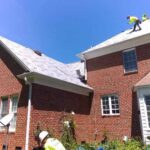
A professional roof inspection gives you a clear view of your roof’s condition. It can help find small issues before they turn into costly repairs.Your roof deals with sun, rain, wind, cold, and heat all year. Over time, these changes can wear down roof parts. Some damage may be easy to see. Other problems may stay hidden until they cause a leak.
That is why a home roof inspection is useful. A trained roofer can check key parts of the roof and look for signs of wear.A good inspection is more than a quick look from the ground. It should cover the roof surface, flashing, vents, gutters, and other key areas. If you live in Winston-Salem, local weather can also affect your roof. Strong rain, wind, heat, and storms can all cause wear. So, what does a professional roof inspection check? Here are eight key areas homeowners should know.
1. Roof Shingles
The first area a roofer checks is the roof surface. Shingles help keep water out of your home. When they are in good shape, they form a strong layer over the roof. However, shingles can crack, curl, lift, or lose their surface over time. During a roof check, the roofer looks for signs of damage.
They may look for:
- Cracked shingles
- Missing shingles
- Loose shingles
- Curling edges
- Dark spots
- Bald spots
- Loose granules
- Signs of water damage
Missing shingles can leave parts of your roof open to rain. Also, damaged shingles may let water move under the roof surface. Small signs can be easy to miss. For this reason, a roof inspection checklist should always include the full roof surface. The roofer will also check if the shingles are near the end of their useful life. Not every old roof needs to be replaced at once. In some cases, a small repair may be enough. A proper check helps you know what your roof needs.
2. Roof Flashing
Flashing is another key part of a roof. It helps keep water out of areas where the roof meets another part of the home. These areas can include walls, chimneys, vents, and other roof features. Flashing can loosen or break as the roof gets older. It can also suffer damage after strong wind or storms.
During a professional roof inspection, the roofer checks the flashing for signs of trouble. They may look for gaps, rust, loose parts, or damaged seals. This check matters because water can enter through a small gap. The water may then move into the roof or wall. In time, this can lead to stains, rot, or mold. Therefore, good flashing helps protect more than just the roof. It also helps protect the inside of your home.
3. Roof Vents
Your roof needs good airflow. Roof vents help move air through the attic. This can help control heat and moisture. Poor airflow can cause problems over time. Too much heat or moisture in the attic may harm the roof and other parts of the home. During an inspection, the roofer checks roof vents for damage. They also check if the vents are clear and working as they should.
The roofer may look for:
- Broken vents
- Loose vent covers
- Gaps around vents
- Poor seals
- Signs of water entry
A vent may look fine from the outside but still have a weak seal. That is why it helps to include vents in a full roof condition assessment. Good roof airflow can also help your roof last longer. It can reduce the risk of moisture build-up in the attic.
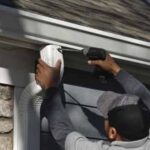
4. Gutters and Downspouts
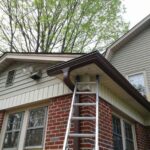
Gutters may not be part of the roof itself. Still, they play a key role in roof health. Gutters move rain water away from your roof and home. When they work well, water flows into the gutters and then through the downspouts. However, blocked or damaged gutters can cause water to sit near the roof edge. During a roof inspection, a roofer may check the gutters for signs of roof-related issues.
They can look for:
- Heavy debris
- Loose gutters
- Sagging sections
- Water marks
- Rust
- Damaged downspouts
- Poor water flow
Gutter issues can also cause water to run down walls. In some cases, this can lead to damage near windows, doors, or the foundation. Therefore, gutter checks are a useful part of a roof inspection checklist. You should also keep gutters clean between roof checks. Leaves and dirt can block the flow of water.
5. Roof Edges and Valleys
Roof edges need close care. They face rain, wind, and other weather all year. Strong wind can lift shingles near the edges. Water can also move into weak areas. Roof valleys need special care as well. A valley is where two roof slopes meet. Rain water often flows through this area. Because of this, valleys can face a lot of water flow. During a professional roof inspection, the roofer checks these areas for signs of damage.
They may look for:
- Loose shingles
- Open gaps
- Cracks
- Poor seals
- Water marks
- Damaged metal
- Signs of past leaks
A small issue in a roof valley can become a much larger issue if water gets under the roof. That is why early checks can help save time and money.
6. Chimneys, Skylights, and Roof Features
Many homes have roof features such as chimneys or skylights. These areas can add style and light to a home. However, they also create more places where water may enter. A chimney meets the roof at an important joint. The area around it needs good flashing and a strong seal. Skylights also need care. A damaged seal can allow water to move into the home. During a home roof inspection, the roofer checks these areas for signs of wear.
They may check:
- Flashing
- Seals
- Shingles around the feature
- Water marks
- Cracks
- Loose parts
- Signs of past repairs
These checks can help find problems before they cause major damage inside the home. For example, a small leak around a skylight may first show as a small mark on the ceiling. If you wait too long, the damage may spread.
7. Signs of Water Damage
Water damage is one of the main things a roofer looks for. A roof does not need to have a large hole to leak. Water can enter through small gaps, weak flashing, damaged shingles, or poor seals. Once water gets under the roof, it can move to other areas.
A roofer may look for signs such as:
- Dark roof spots
- Wet wood
- Water marks
- Soft areas
- Mold
- Damaged insulation
- Ceiling stains
Some signs may be seen inside the home instead of on the roof. For this reason, tell your roofer if you have seen water stains on your ceiling or walls. Also, let them know if you have found damp areas in your attic. This can help the roofer find the source of the issue faster.
8. The Age and Overall Condition of the Roof
A roof inspection should not only look for damage. It should also look at the roof as a whole. Roof age is one factor to consider. Most roof types have a set life span. However, the actual life of a roof can vary based on weather, care, roof material, and past repairs. A roof that is older does not always need full replacement. Still, an older roof may need more checks and care. A roofer can review the roof and explain its current condition.
They may tell you that your roof is:
- In good shape
- In need of small repairs
- In need of more work
- Near the end of its life
- In need of replacement
This helps you plan ahead. Instead of waiting for a major leak, you can deal with issues while they are still small.
Why a Roof Inspection Matters in Winston-Salem
Weather can put stress on your roof. Homes in Winston-Salem may face heavy rain, strong wind, storms, heat, and cold weather. Each season can affect roof materials in a different way. For example, strong wind can lift shingles. Heavy rain can test flashing and seals. Heat can cause some roof parts to expand and shrink.
Over time, these changes can lead to wear. That is why roofing inspection Winston-Salem homeowners can trust should focus on local weather and common roof issues. A local roofer can also spot signs that may be common in the area. If a storm has recently passed, a roof check can be a smart step. You may not see damage from the ground. A closer check can help find loose shingles, damaged flashing, or other roof issues.
When Should You Get a Professional Roof Inspection?
There are several good times to get a roof inspection. First, consider an inspection after a major storm. Strong wind and heavy rain can cause roof damage. Next, think about an inspection when you buy a home. A roof can be one of the most costly parts of a home to repair. A roof check can help you learn more about its condition before you buy. It is also wise to get a check if your roof is old. In addition, call a roofer if you see signs of a problem.
These signs may include:
- Water stains
- Missing shingles
- Loose shingles
- Leaks
- Damaged flashing
- Sagging areas
- Wet attic wood
- Mold
- Granules in gutters
Do not wait for a small roof issue to become a large one. Early action can often make repairs easier.
How Often Should a Roof Be Checked?
There is no single rule for every home. Roof age, roof type, weather, and past repairs all matter. Many homeowners choose to have the roof checked once a year. A yearly check can help find small issues before they grow. However, you may need a check sooner after a major storm. You should also consider an inspection when you notice a change in your roof. For example, if you see missing shingles after strong wind, do not wait for your next yearly check. A quick roof check may help prevent a bigger repair later.
What Is Included in a Roof Inspection Checklist?
A roof inspection checklist helps make sure key areas are not missed.
A basic checklist may include:
- Shingles
- Flashing
- Roof vents
- Gutters
- Downspouts
- Roof edges
- Roof valleys
- Chimneys
- Skylights
- Signs of water damage
- Attic areas
- Overall roof age and condition
The exact check can vary based on the home and roof. A trained roofer can also check areas that are hard for homeowners to reach. That is one reason a professional inspection can be more useful than a quick look from the ground.
Can You Inspect Your Roof Yourself?
You can look at your roof from the ground. For example, you can check for missing shingles or visible damage. You can also look for water stains in your attic. However, you should not climb onto the roof unless you have the right training and safety gear. Roof work can be dangerous. A professional can inspect hard-to-reach areas with the right tools and safety steps. You can also use your own roof inspection checklist to note things you see from the ground. Then, share those notes with your roofer. This can help them focus on areas that may need more attention.
What Happens After a Roof Inspection?
After the inspection, the roofer should explain what they found. A good report should make the next steps clear. If the roof is in good shape, you may only need normal care. If there are small problems, the roofer may suggest repairs. If the roof has major damage, they may talk about a larger repair or replacement. Ask questions if you do not understand something. For example, ask how soon a repair is needed. Ask what may happen if you wait. Also, ask if there is more than one way to fix the issue. Clear answers can help you make a better choice.
How a Professional Roof Inspection Can Save Money
It may seem like an inspection is an extra cost. However, it can help you find small problems early. A small repair may cost less than a major repair after water has spread through the roof, walls, or attic. For example, a loose piece of flashing may be easy to fix.
If it lets water in for months, the damage may grow. That is why regular checks can help protect your home. A roof inspection can also help you plan for future costs. If your roof is getting old, you may have time to plan for a new roof. That can be easier than dealing with a sudden roof failure.
Why Homeowners Should Not Ignore Small Roof Problems
Small roof issues can be easy to ignore. A missing shingle may not seem like a big deal. A small ceiling stain may also seem minor. However, water can cause damage over time. The longer a roof issue stays open, the more chance there is for damage to spread. That is why it is best to act early. If you notice a roof problem, have it checked. A professional can tell you how serious it is. You may find that the repair is small and simple.
Final Thoughts
A professional roof inspection can help you protect your home and avoid bigger roof problems.
A good check looks at shingles, flashing, vents, gutters, roof edges, valleys, and signs of water damage. It also checks the roof’s age and overall condition.
If your roof is old, damaged, or recently hit by a storm, consider getting it checked.
Need a roof inspection? Get in touch with Big Anchor Roofing to learn more about your roof and your next step.
FAQs About Professional Roof Inspection
1. What does a professional roof inspection include?
A professional roof inspection checks key roof areas. These may include shingles, flashing, vents, gutters, roof valleys, edges, and signs of water damage.
2. How often should I get a home roof inspection?
Many homeowners choose a yearly inspection. You should also consider a check after a major storm or when you notice signs of roof damage.
3. What is a roof inspection checklist?
A roof inspection checklist is a list of key areas to check. It can include shingles, flashing, vents, gutters, roof edges, valleys, and signs of leaks.
4. Should I get a roofing inspection in Winston-Salem after a storm?
Yes. Strong wind and heavy rain can cause damage that is hard to see from the ground. A check can help find issues early.
5. Can I inspect my roof myself?
You can look for signs of damage from the ground. However, climbing on a roof can be unsafe. A trained roofer can check areas that are hard to reach.
6. What if my roof has a small problem?
Do not ignore it. A small issue may get worse over time. A roofer can check the problem and tell you if you need a repair.