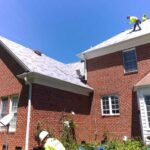
Roof repair in Winston-Salem often traces back to one root cause: North Carolina weather. Between summer thunderstorms, occasional high winds, and humidity swings throughout the year, local roofs take on more stress than homeowners typically realize until a problem shows up.
This guide explains how weather actually damages roofing structures, what signs to watch for, and how the repair process works from inspection to completion.
Why Winston-Salem Weather Is Tough on Roofs
Winston-Salem sits in a region that experiences a wide mix of weather conditions throughout the year. Hot, humid summers can stress roofing materials, while sudden thunderstorms bring heavy rain and strong winds with little warning.
In addition, temperature swings between seasons cause roofing materials to expand and contract repeatedly. Over time, this constant movement weakens seals, loosens shingles, and creates small gaps where water can eventually find its way in. This is exactly why roof repair in Winston-Salem tends to spike after major storm systems pass through the area.
Understanding Storm Damage Roof Repair in Winston-Salem
Storm damage roof repair in Winston-Salem typically follows a predictable pattern after severe weather. Heavy rain, hail, and strong winds each damage roofing materials in slightly different ways, which is why a proper inspection matters so much after a storm.
Hail Impact Damage
Hail can bruise or crack shingles, even when the damage isn’t immediately visible from the ground. These small impact points can weaken a shingle’s protective granule layer, which accelerates wear and increases the risk of leaks over time.
Heavy Rain and Water Infiltration
Prolonged heavy rain tests every weak point in a roofing system. Small gaps around flashing, vents, or aging shingles can allow water to seep through, sometimes without any visible sign until a stain appears on an interior ceiling.
Wind Damage Roofing Issues
Wind damage roofing issues are especially common in this region, since strong gusts can lift shingles, loosen flashing, or tear away sections of roofing material entirely. Even wind that doesn’t cause obvious visible damage can loosen shingles just enough to create a vulnerability during the next storm.
How Wind Actually Damages a Roof
Understanding the mechanics behind wind damage helps explain why some roofs hold up better than others. Wind doesn’t just push against a roof, it creates uplift forces that can pull shingles away from the surface, particularly along roof edges and corners where wind pressure concentrates most heavily.
Older shingles, or those with weakened adhesive seals, are especially vulnerable to this kind of lifting. Once a single shingle lifts or tears away, it exposes the underlying roofing layers to water and further wind damage, which is why addressing wind damage roofing issues quickly matters so much.
Signs You May Need Roof Repair
Several warning signs indicate a roof may need professional attention. Missing or curling shingles are among the most visible signs, especially after a storm. Granules collecting in gutters can also indicate accelerated shingle wear.
Inside the home, water stains on ceilings or upper walls often signal an active leak, even if the roof looks fine from the ground. In addition, a noticeable increase in energy bills can sometimes point to reduced attic insulation caused by roof damage allowing outside air infiltration.
Roof Protection for Homes: Preventive Steps Homeowners Can Take
Roof protection for homes starts well before storm season arrives. Regular inspections, ideally twice a year, help catch small issues before they become major repairs. Trimming overhanging tree branches also reduces the risk of storm-related debris damage.
In addition, keeping gutters clean allows water to drain properly instead of pooling near the roofline, which can lead to water damage over time. Homeowners who stay proactive with these steps often reduce both the frequency and cost of future roof repair in Winston-Salem.
Choosing Durable Roofing Materials
Not all roofing materials handle severe weather equally well. Impact-resistant shingles, for example, are specifically designed to withstand hail damage better than standard options. While these materials often cost more upfront, they can reduce long-term repair costs in storm-prone areas.
The Roofing Repair Process North Carolina Homeowners Should Expect
The roofing repair process North Carolina contractors typically follow starts with a thorough inspection, both from the ground and, when necessary, directly on the roof itself. This step identifies the full scope of damage, not just the most obvious problem areas.
Step 1: Inspection and Documentation
A qualified roofer inspects the entire roof surface, documenting any damage with photos. This documentation becomes especially important if you’re filing an insurance claim for storm-related damage.
Step 2: Damage Assessment and Estimate
Once the inspection is complete, the roofer provides a detailed estimate outlining necessary repairs, materials needed, and expected timeline. This is a good opportunity to ask questions about the scope of work before repairs begin.
Step 3: Repair or Replacement
Depending on the extent of the damage, repairs might involve replacing individual shingles, repairing flashing, or in more severe cases, replacing sections of the roof entirely. A reputable contractor will explain why a particular approach is recommended rather than simply defaulting to the most expensive option.
Step 4: Final Inspection and Cleanup
After repairs are complete, a final inspection confirms the work meets quality standards. Reputable contractors also clean up debris and materials from the job site before considering the project finished.
Roof Maintenance After Storms
Roof maintenance after storms plays a critical role in extending a roof’s lifespan, even when no immediate damage is visible. A post-storm inspection can catch small issues, like loosened shingles or minor flashing damage, before they develop into larger, more expensive problems.
In addition, documenting any storm damage promptly can strengthen an insurance claim if repairs are needed later. Waiting too long after a storm sometimes makes it harder to prove that specific damage was directly caused by that particular weather event.
Working With Insurance for Storm Damage Repairs
Many storm damage roof repairs qualify for insurance coverage, though the process can feel confusing without guidance. A thorough inspection report, backed by clear photo documentation, significantly strengthens a claim.
Working with a roofing contractor experienced in insurance claims can also help, since they often know exactly what documentation adjusters expect to see. This experience can make the difference between a smooth claims process and a frustrating back-and-forth with an insurance company.
What Affects the Cost of Roof Repair
Several factors influence how much roof repair typically costs. The extent of the damage plays the biggest role, since replacing a few shingles costs far less than repairing an entire section damaged by a fallen tree limb. Roof size, pitch, and material type also affect labor and material costs.
Access can matter too. Steeply pitched roofs or those with limited access points sometimes require additional safety equipment, which can add to the overall cost. Getting a detailed, itemized estimate upfront helps homeowners understand exactly what they’re paying for before work begins.
It’s also worth noting that addressing minor damage quickly is usually far less expensive than waiting until a small issue turns into a larger structural problem. A loose shingle repaired promptly costs a fraction of what water damage repair to interior ceilings and insulation can cost later.
Final Thoughts
Roof repair in Winston-Salem is closely tied to the region’s weather patterns, from summer storms to seasonal temperature swings. Understanding how wind and rain damage roofing materials, along with staying proactive about maintenance, can help homeowners avoid costly surprises down the road.
If you suspect storm damage or just want peace of mind, contact us today to schedule a professional roof inspection.
Frequently Asked Questions
1. How do I know if I need roof repair after a storm?
Look for missing or curling shingles, granules in gutters, and water stains on interior ceilings. A professional inspection is the most reliable way to confirm storm damage.
2. Does homeowners insurance cover storm damage roof repair in Winston-Salem?
Many policies cover storm-related roof damage, though coverage varies. Proper documentation from a professional inspection can help strengthen your claim.
3. How often should I have my roof inspected?
Twice a year is generally recommended, along with an additional inspection after any major storm event.
4. Can wind damage a roof without visible signs?
Yes. Wind can loosen shingles or seals without immediately obvious damage, which is why professional inspections after storms are so important.
5. What’s the typical roofing repair process in North Carolina?
It generally includes inspection, damage assessment, the repair or replacement itself, and a final quality check before the job is considered complete.