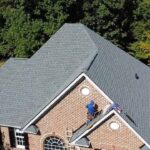
Tree damage roof problems can happen fast. A strong storm can break a tree limb and send it onto your roof. In some cases, a whole tree can fall onto the home. Either event can cause major roof damage.
Even a small branch can break shingles or cause a leak. A large limb can damage the roof deck, vents, gutters, and other parts of the home. That is why you should act with care after a tree hits your roof.
First, keep away from the damaged area. Next, check if anyone in the home needs help. Then, look for signs of water, broken shingles, or damage inside the home.
Do not climb onto the roof to check the damage. A roof with a fallen tree may not be safe. Instead, call a skilled roofing team to check the roof.
This guide explains what to do after tree damage roof problems. It also covers fallen tree roof damage, emergency roof repair, storm roof damage, and roof tarp use.
What Should You Do After a Tree Hits Your Roof?
A tree limb can cause stress and fear. However, you can take a few clear steps to protect your home.
1. Keep Everyone Safe
Safety should come first. Keep family members and pets away from the damaged area. Stay out of rooms where the ceiling looks weak or wet.
If a large tree has fallen, do not stand under it. The tree may still move or fall more. Broken limbs can also drop without warning.
Also, stay away from any fallen power lines. Do not touch the tree if it is near a power line. Instead, call the right local service for help.
2. Check for Damage From the Ground
You can look at the roof from a safe place. Check for missing shingles, broken roof parts, holes, and hanging limbs.
Also, look at the gutters. A tree can bend or pull them away from the home.
Check the walls and ceiling inside the house too. Look for water marks, wet spots, or drops of water. These signs may mean that rain is getting through the roof.
However, do not try to climb up and inspect the roof yourself.
3. Stop Water From Spreading
If rain is getting into the home, move items away from the wet area. Use a bucket to catch drops if it is safe to do so.
You can also move furniture and other items away from the water. This may help reduce damage inside the home.
Do not make roof repairs during a storm. Wet roofs can be very unsafe.
4. Call a Roofing Professional
After the area is safe, contact a roofing company. A professional can check the roof and find the main source of the damage.
A roof check can show damage that you may not see from the ground. For example, a tree limb may crack the roof deck under the shingles.
A roofing team can also tell you if you need emergency roof repair or a larger roof job.
Common Types of Tree Damage Roof Problems
Tree damage roof problems can vary based on the size of the tree or limb. The force of the fall also plays a part.
Broken or Missing Shingles
Shingles are often the first roof part to suffer damage. A falling branch can break, lift, or remove them.
A few broken shingles may seem like a small issue. Still, they can let rain enter the roof.
Over time, water can reach the roof deck. It may then spread into the attic or walls.
That is why you should not ignore missing or broken shingles after a storm.
Holes in the Roof
A large branch can punch through the roof. A falling tree can cause an even larger hole.
A hole can let rain, wind, and cold air into the home. It can also harm the insulation and roof deck.
In this case, you may need emergency roof repair. A roofer can check the size of the hole and plan the right fix.
Damaged Roof Deck
The roof deck sits below the shingles. It helps give the roof its shape and strength.
A heavy tree can crack or break this part of the roof. You may not see this damage from the ground.
For that reason, a roof check is very important after a large tree hits the home.
Damaged Gutters
Trees can also damage gutters. A branch may bend them or pull them away from the roof.
This can stop water from flowing away from the home. As a result, water may collect near the roof edge.
A roofing team can check the gutters as part of the roof review.
Damaged Vents and Flashing
Roof vents help air move through the attic. Flashing helps keep water away from roof joints.
A falling limb can damage both.
These parts may look small, but they play a key role in keeping water out. Therefore, they should be checked after major storm roof damage.
What Is Fallen Tree Roof Damage?
Fallen tree roof damage is often more serious than damage from a small limb.
A large tree can place a great deal of weight on a roof. It may break shingles, roof boards, rafters, and other parts.
In some cases, the tree may also damage walls or windows. It may even affect the inside of the home.
Because of this, do not try to remove a large tree yourself. The tree may shift as it is cut or moved.
Instead, get help from the right tree and roof experts. The tree should be removed in a safe way. Then, a roofer can check the roof.
When Do You Need Emergency Roof Repair?
Not every small branch needs an emergency roof repair. However, some roof problems need quick help.
Call for urgent roof help if you see a large hole in the roof. You should also act fast if water is coming into the home.
Other signs include a sagging ceiling, a large section of missing shingles, or major roof parts that have moved.
You may also need fast help if a tree has fallen across a large part of the roof.
Quick action can help limit more damage. For example, water can spread fast after a roof is opened by a storm.
Do not wait for days if rain can enter the home. Contact a roofing professional as soon as it is safe.
Can a Roof Tarp Help After Tree Damage?
A roof tarp can help give short-term cover after roof damage. It may help keep rain from entering through a hole.
However, a roof tarp is not a full roof repair. It is only a short-term step.
A trained roofing team should install it when possible. Roof work can be risky, especially after a storm.
A tarp may also need to stay in place until the roof can be fixed. The roofer can tell you what is best for your home.
Do not treat a tarp as a long-term fix. The roof still needs a full check and proper repair.
How Can a Roofer Check Tree Damage Roof Problems?
A roofer will start by looking at the outside of the home. They may check the shingles, roof edges, vents, flashing, and gutters.
Next, they may check the attic if it is safe. This can help them find water, cracks, or damage below the roof surface.
The roofer may also look for signs that the roof has moved or lost its shape.
After the check, the roofer can explain what needs to be fixed. They may suggest a small repair, a larger repair, or a full roof replacement.
The right choice will depend on the amount of damage.
Should You Repair or Replace the Roof?
A small tree limb may only damage a small part of the roof. In that case, a repair may be enough.
For example, a roofer may replace broken shingles or fix damaged flashing.
However, a large tree can cause wider damage. If the roof deck or support parts are badly damaged, more work may be needed.
The age of the roof also matters. An older roof may already have worn areas. In that case, a large repair may not be the best long-term choice.
A roofer can check the full roof and explain your options. You should get clear details before work starts.
What About Storm Roof Damage?
Storm roof damage can happen in many ways. Strong winds can break tree limbs and send them onto roofs.
Heavy rain can then enter through broken roof areas. Wind can also lift shingles without leaving a large hole.
Hail may cause small cracks or marks on some roofing materials. These problems may not be easy to see at first.
Therefore, it is wise to check the roof after a strong storm. A quick roof check can help find small problems before they grow.
If you are unsure about the roof, ask a roofing expert to inspect it.
How Can You Prevent Tree Damage Roof Problems?
You cannot stop every storm. Still, you can lower the risk of tree damage roof problems.
Start by looking at trees near your home. Watch for dead limbs, weak branches, or trees that lean toward the house.
Keep large branches trimmed when needed. A tree expert can help with trees that are close to the roof.
You should also keep your roof in good shape. Replace damaged shingles and fix small leaks before they become larger problems.
Clear gutters as well. Clean gutters help rain water move away from the roof and home.
In addition, check the roof after strong storms. Early action can help reduce repair costs.
When Should You Call a Roofing Company?
You should call a roofing company when you see clear signs of damage. These signs may include broken shingles, holes, leaks, or sagging areas.
You should also call after a large tree or limb falls on the roof.
Even if you cannot see damage, a roof check can still be useful. Some damage may sit below the shingles.
If you need a roof check or repair, speak with a trusted local roofing team. You can learn more about roofing services at Big Anchor Roofing.
What Should You Do While Waiting for a Roofer?
Keep people away from the damaged area. Do not climb onto the roof.
If water is coming inside, move items away from the wet area. Place a bucket under a safe drip point if needed.
Take photos of the damage from the ground. These photos may help you keep a record of the problem.
Also, keep notes about when the damage took place. Write down what happened during the storm.
If you have home insurance, contact your insurer and ask what steps you need to take. Keep any photos, notes, and repair details in a safe place.
Most of all, do not put yourself at risk to protect the roof.
Final Thoughts
Tree damage roof problems can get worse when left alone. Even a small branch can cause leaks or hidden damage.
After a tree hits your roof, focus on safety first. Then, check for signs of damage from the ground. Do not climb onto the roof.
If you see a leak, hole, or major damage, call a roofing professional. Quick action can help protect your home and limit further damage.
Need help after a tree hits your roof? Call us and Get a roof check and ask about the right repair for your home.
FAQs About Tree Damage Roof Problems
1. What should I do if a tree limb hits my roof?
First, keep everyone away from the damaged area. Then, check for signs of water or major damage from the ground. After that, call a roofing professional for a safe roof check.
2. Can a small tree limb cause roof damage?
Yes. Even a small limb can break shingles or damage flashing. It can also create a small opening where rain can enter.
3. Do I need emergency roof repair after a tree falls?
You may need emergency roof repair if the roof has a large hole, heavy leaks, or major damage. A roofer can check the roof and tell you how soon it needs repair.
4. Can I use a roof tarp after storm damage?
A roof tarp can offer short-term cover. However, it does not fix the roof. A roofing professional should check the roof and plan the right repair.
5. Who should I call after fallen tree roof damage?
You may need both tree and roofing help. A tree expert can help remove the tree safely. A roofer can then check the roof and repair the damage.
6. Can tree damage cause a roof leak?
Yes. A broken limb can crack shingles, flashing, or the roof deck. Rain can then enter through the damaged area and cause a leak.